
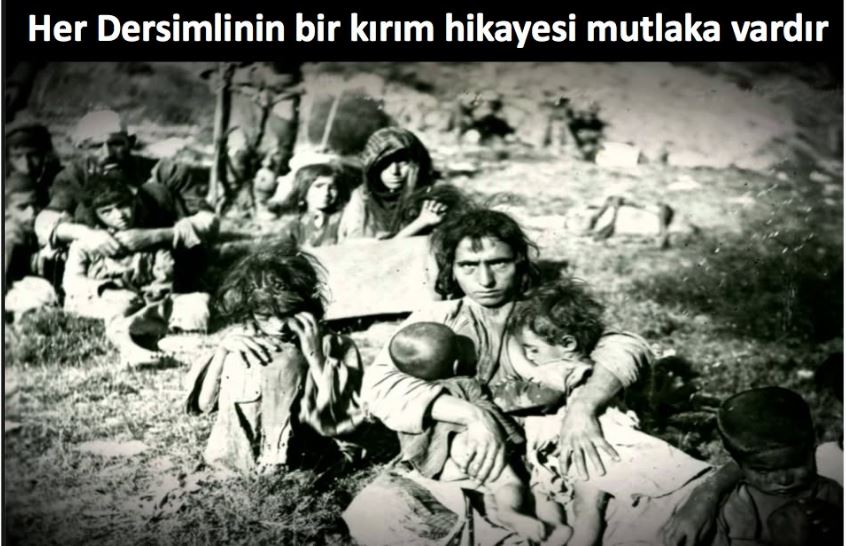
The memory of the Dersim uprising and the massacres that followed remains a heavy burden to this day for people originating from Dersim. The story of writer Zeynel Ozgun presents the deep pain and horror that have been preserved in people’s memories for decades.
The author recounts that every resident of Dersim, regardless of age, carries within their memory some story about the tragedy of 1938. These memories have been passed down from generation to generation as testimony to irreversible pain and loss.
At the center of the story is the testimony of the author’s mother, who, during her childhood, witnessed the tragic events with her own eyes. In July 1938, soldiers gathered the women and children of the Heydaran tribe and brought them to the village, declaring that they would be reunited with their relatives. However, the people understood that death awaited them.
A few days later, the soldiers once again gathered the women and children and took them outside the village. Soon, the sounds of machine guns echoing through the mountains and gorges made their fate clear. The author’s mother recounts how people watched from afar as pieces of clothing rose into the air through clouds of dust and smoke, realizing that a mass killing was taking place.
One of the most painful parts of the story is the sight of the bodies witnessed by villagers several days later. Under the July heat, the bodies of women and children had become a horrifying symbol of human cruelty. The author especially recalls the image of a pregnant woman, a scene he could never forget throughout his life.
This story is not only a personal memory, but also testimony to human tragedy and historical pain. It demonstrates how violence can become part of collective memory and continue to live in the consciousness of generations decades later.