
Survivors of the genocide committed against Armenians passed on to subsequent generations not only their stories but also the silence born of unspeakable pain. This legacy became the foundation of the struggle for memory, justice, and recognition, particularly among the Armenian, Greek, and Assyrian communities.
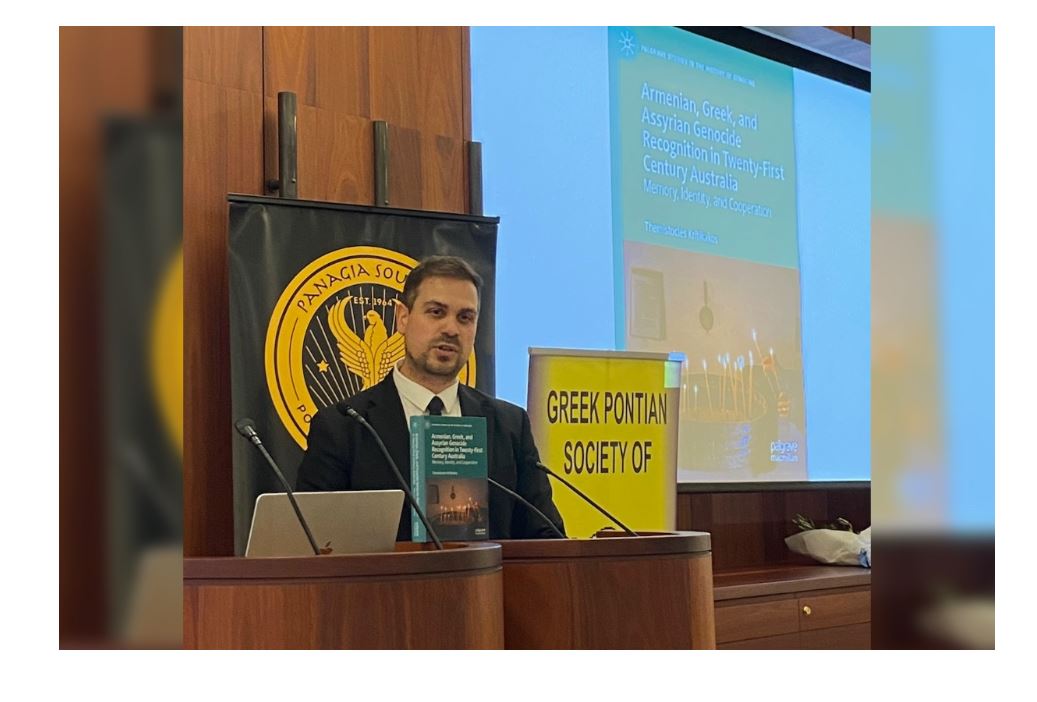
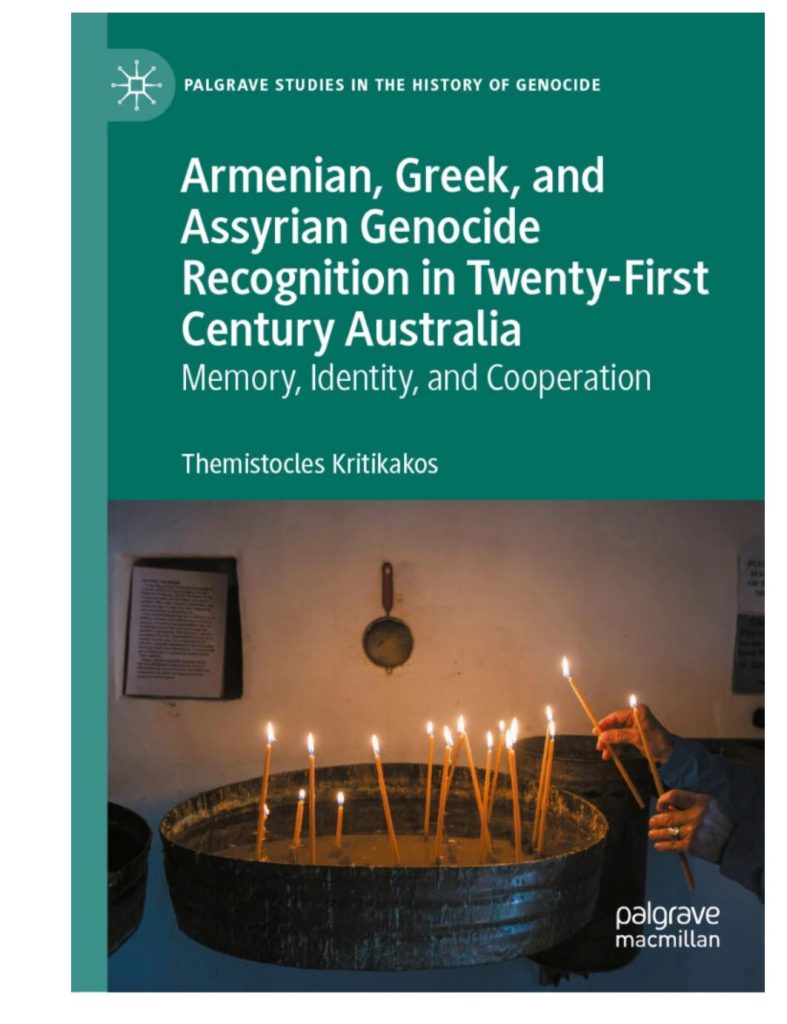
According to historian Themistoklis Kritikakos, descendants of genocide survivors in Australia heard incomplete family stories, witnessed the traces of unhealed pain, and assumed responsibility for preserving historical memory. For this reason, they became actively involved in academic research, educational programs, commemorative events, and political activities.
The author notes that the Armenian community became one of the leading forces of the genocide recognition movement, creating effective networks of cooperation and contributing to the mobilization of the Greek and Assyrian communities. This cooperation later led to the adoption of genocide recognition resolutions in several states, including New South Wales, South Australia, and Tasmania.
The article also highlights Australia’s historical role. During the First World War, Australian soldiers, prisoners of war, and participants in humanitarian missions witnessed firsthand the mass atrocities committed against Armenians, Greeks, and Assyrians in the Ottoman Empire. Australian volunteers and medical personnel also participated in efforts to rescue and assist thousands of refugees and orphans.
Despite the achievements made in individual states, Australia has still not officially recognized the genocide committed against Armenians at the federal level. Nevertheless, the Armenian, Greek, and Assyrian communities continue their joint struggle, convinced that restoring historical justice and preserving memory are important not only for understanding the past but also for preventing such crimes in the future.
According to the author, genocide denial continues as one of its consequences, while preserving historical memory and expanding international recognition remain the best means of combating that denial.